Run your supply chain on one record
Synapse models every order, container, invoice and contract as typed objects in one supply chain ontology. AskLognAi, a governed agent, reasons over that graph and drafts the next action for your team to approve.

Supply chain ontology
35+ typed object types with lifecycle state and event history, aligned with open logistics standards.
Governed AI
AskLognAi plans across 80+ typed tools and changes a record only when a person approves.
Deterministic engines
Rates, audit results, demurrage and landed cost come from rules you can inspect, with the contract term behind every figure.

ISO/IEC 27001:2022
Certified information security for the design, build and operation of the platform.
Chosen by enterprises across the GCC
Our customers include enterprises in oilfield services and fashion retail. We are headquartered in the Dubai International Financial Centre, with engineering in Bengaluru, India.
Supply chains run on documents. Decisions need a model.
The purchase order lives in the ERP, the container in a forwarder's portal, the freight invoice in an inbox and the demurrage bill in a spreadsheet. With no shared model of the shipment, no system can reason across it, and the true cost of a shipment surfaces after the money has left.

What a supply chain ontology changes
An ontology is a shared map of your supply chain. Every purchase order, SKU, container, document and charge is a typed object that knows what it is connected to, so when one fact changes, everything that depends on it can see the change.
- Every object has a type, a lifecycle state and an event history.
- Relationships are stored as data, so software and AI can follow them from an order all the way to the charge it caused.
A vessel is delayed by six days
One fact, recorded once. Every module that depends on it reads the same record, so the impact shows up in one place instead of six.
Arrival moves on 12 containers, and the onward legs need rebooking.
Three customer orders miss the promised date, each with its value at risk.
The free-time clock shifts, changing the exposure on every affected container.
Alternative supply needs a requisition now if it is to arrive in time.
Stock cover at the destination falls below the reorder point.
The expedited option changes the cost per unit and the margin on the order.
A specialist tool sees one line of this list. It cannot see the other five.
Four layers, one model
Synapse separates what must be exact from what benefits from reasoning. The ontology holds the facts, engines compute the numbers, and the agent works on top of both, always under human command.
Human command
No proposed action is applied without a named approver, and four permission tiers decide who can see, propose and change each object.
Governed AI: AskLognAi
Plans multi-step work over 80+ typed tools, scoped to your tenant. It reads, explains and drafts; it proposes writes and never commits them on its own.
Deterministic engines
Every figure traces to its inputs: the contract clause, the rate line or the port notice behind it.
Supply chain ontology
35+ typed object types, among them Order, Shipment, Container, Document, Charge, Vendor, Product and Site, linked in one graph. Events follow the GS1 EPCIS model of what, when, where and why.
Global Command Center
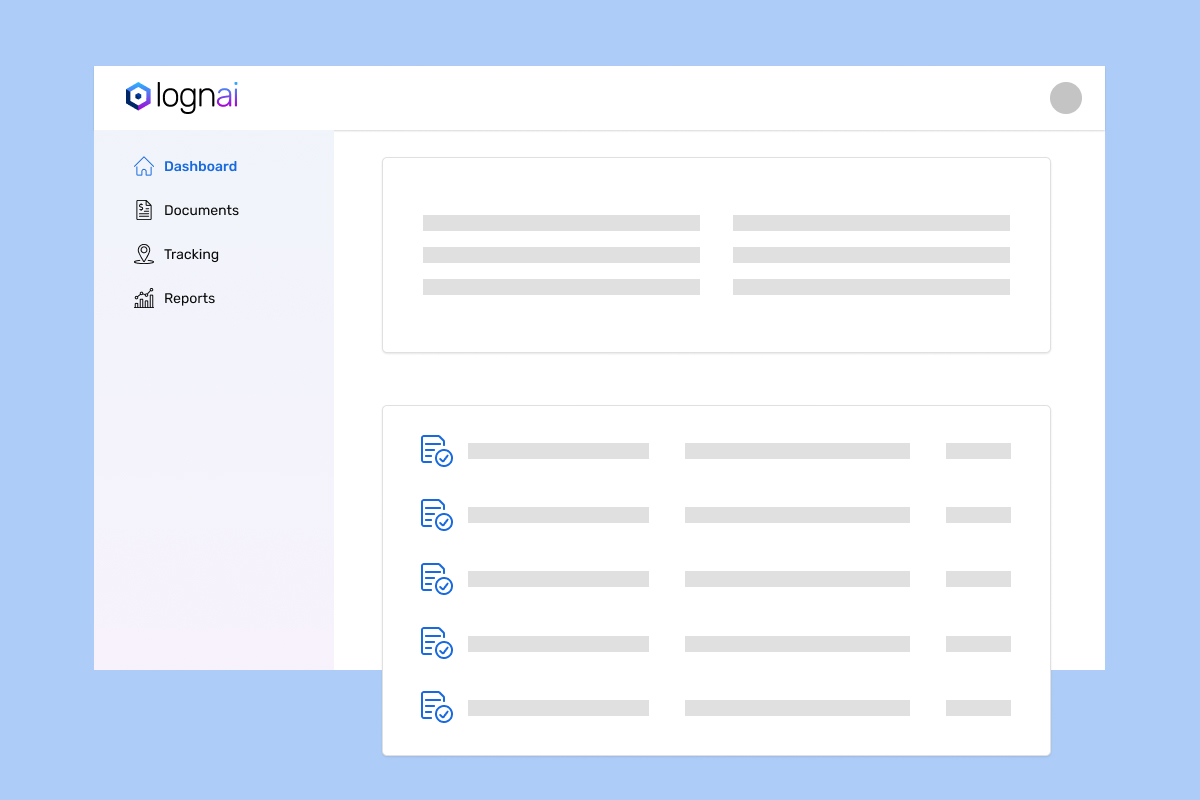
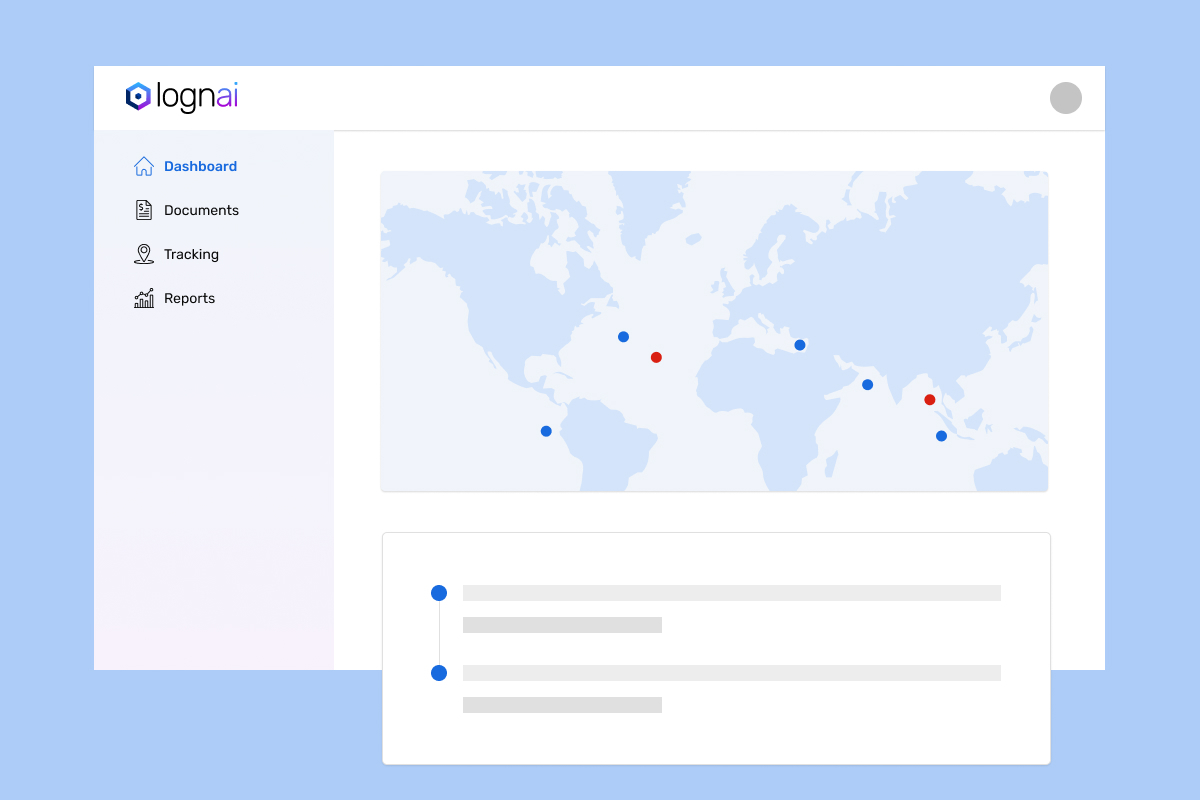
Live shipments, exceptions and cost exposure on one screen, read from the same record your teams work in.

Shown with demo data.
One record, three flows
A shipment in Synapse links to the order that created it, the documents that describe it and the charges it incurs. Each team works its own flow, and every flow reads the same record.
The cargo
Shipment Planner ranks routes over a multimodal network graph on cost, transit time and CO2e, including two-leg intermodal options. It learns your cost tolerance from accept and override decisions, within bounded limits.
- Finds LCL-to-FCL consolidation by clustering cargo-ready dates.
- Provider-agnostic tracking ingest: keep the visibility provider you already use.
Shipment Planner
Container Track & Trace
The paperwork
Purchase orders, packing lists, bills of lading and invoices are typed objects bound to the order and shipment they describe, not attachments in a folder.
- Every document links to the order, shipment and charge it supports.
- Partners see only the objects their permission tier allows.
Order Management
Partner Collaboration
The money
A configurable rules engine evaluates every freight charge against the contract, with regional packs for the UAE, KSA, India, the US and the EU. Where the baseline can't be confirmed, the result is indeterminate, not a false failure.
- Demurrage and detention computed day by day, each day classified with the clause or port notice behind it, and forecast 7, 14 and 30 days ahead.
- Snapshots freeze a calculation as of a date, so a later change to a holiday calendar shows up as drift you can keep or amend.
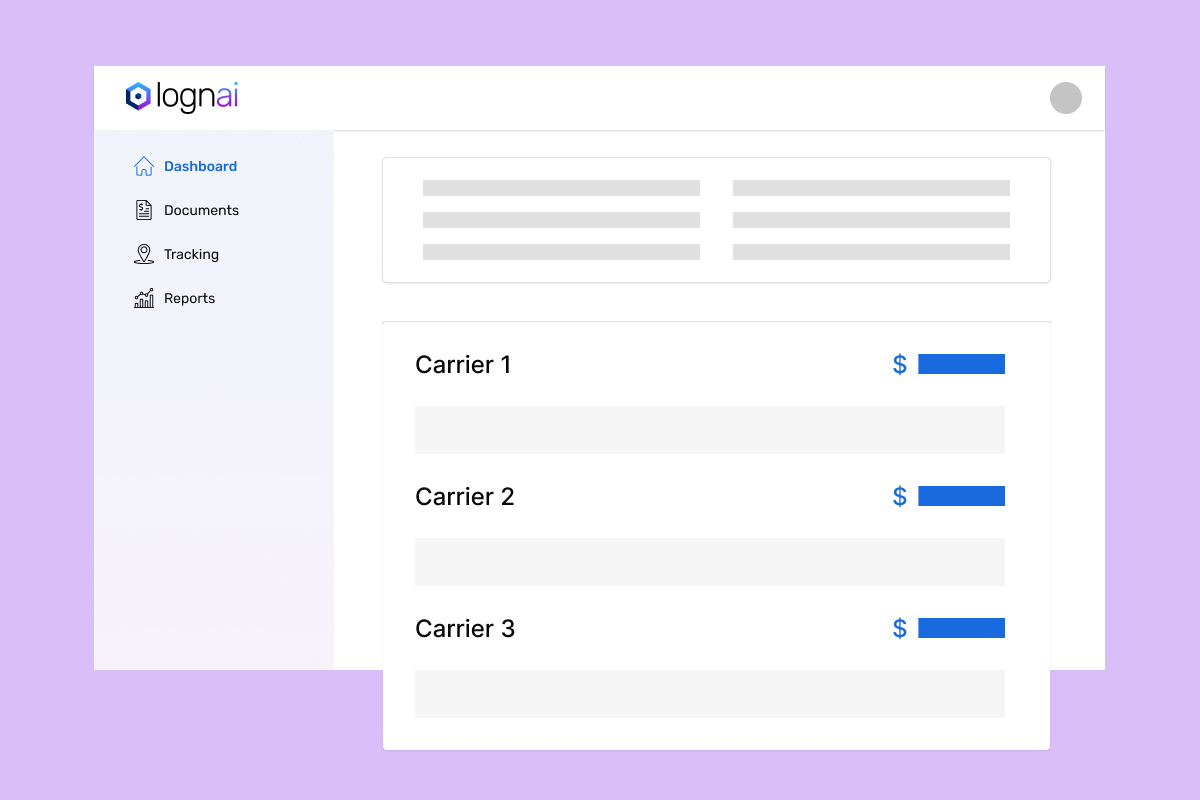
Freight Bill Audit
Demurrage and Detention
From sourcing to settlement
Every capability reads and writes the same supply chain ontology. Capabilities are enabled per tenant, and adding one changes neither the data model nor the interfaces.
Source and buy
Supplier registration, sourcing events and procure-to-pay, from requisition to invoice match.
Plan and store
Orders, product master data, stock positions, receiving, putaway and dispatch across every site.
Move and track
Compare routes on cost, transit time and CO2e, then book and track each container.
Buy freight
Run freight tenders and keep contract rates current, with maker-checker approval on every rate change.
Control the cost
Catch overcharges before you pay them, and see demurrage and detention exposure before it accrues.
See and decide
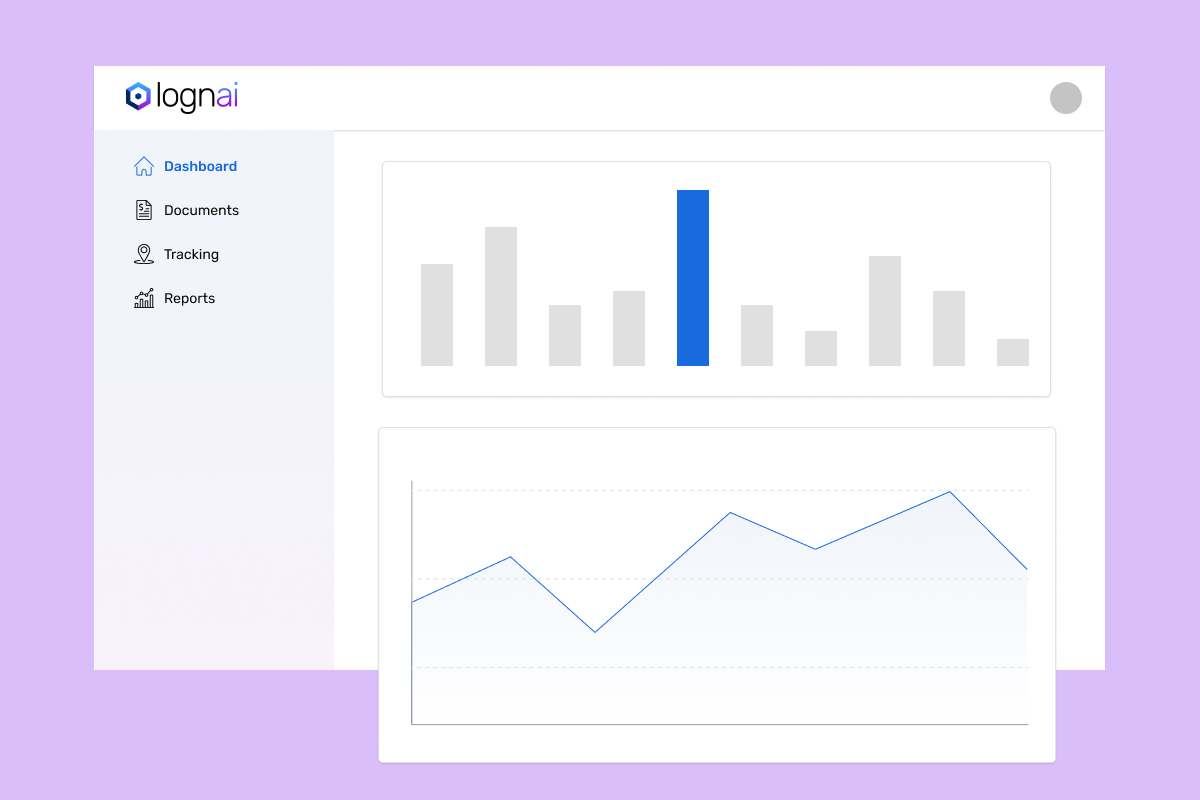
Live shipments, exceptions and exposure in the Global Command Center, with analytics across every module.
Run and govern
Role-based workspaces, administration and controlled access for forwarders, suppliers and customs brokers.
Start with one
Tell us where the money leaks today and we will show you the module that deals with it first.
Book a demoAskLognAi: a governed agent, not a chatbot
AskLognAi plans across the platform's typed tools, reads live data from every module and proposes the next action as a draft.
- Typed tools, not free textEvery capability is a tool with a defined input and output, scoped to your tenant. The agent can only do what a tool allows.
- Proposes, never commitsIt drafts exception summaries, supplier follow-ups and dispute packs. A person approves every change to a record.
- Engines compute, the model explainsNo figure a finance team acts on is generated by a language model. Audit results, D&D charges and landed cost come from deterministic engines.
- Model-independentSynapse uses frontier models from Anthropic (Claude) and Google (Gemini) for reasoning. Customer data is never used to train a shared model.
One charge doesn't match your carrier contract. The bunker surcharge is USD 140 above the rate in contract RC-07, which runs to 31 December. Ocean freight matches.
I've drafted a dispute email with the contract line attached.
“Why is this order late?”
Traces the order to its shipment, the shipment's milestones and the contract terms, and returns the cause with the cost exposure attached.
“Draft the follow-up to the carrier.”
Writes the message with the container list, the dates and the clause being relied on, ready for a person to send.
“We are short on this part.”
Checks stock across the network, then drafts the requisition against the correct vendor at the contracted price.
Runs alongside your existing systems
No rip-and-replace. Every interface is specified with your team and tested in a separate acceptance environment before it reaches production.
Inbound from your systems
Orders, master data, vendors and cost centres arrive by API or scheduled sFTP transfer, and are validated and mapped to ontology objects. Failed records wait in an error queue for replay.
Documents and carrier data
Invoices, rate sheets, contracts and shipping documents are captured, validated and matched against the contract terms held in Synapse.
Outbound to finance
Synapse decides what is payable and produces the payment file. Your finance system makes the payment.
Your data stays readable
The object model is documented, and everything in Synapse can be read back through the same API the interface uses. Leaving does not depend on our help.
Security without compromise
Lognai Technologies Limited is certified to ISO/IEC 27001:2022. Our information security management system covers how we design, build, run and support Synapse.

ISO/IEC 27001:2022
Certificate issued June 2026, with annual surveillance audits.

Hosted on Google Cloud
Primary region Mumbai, disaster recovery Zurich. Encrypted in transit and at rest.

Monitored
Third-party monitoring, with separate development, test and production environments.
Isolated by tenant
Tenant isolation is enforced on every query, and AI tools inherit it. No on-premise hardware.
Frequently asked questions
What does LognAi do?
LognAi builds Synapse, an AI-native supply chain execution platform for enterprises in the GCC. Synapse models orders, inventory, shipments, documents and charges as one supply chain ontology, and puts a governed AI agent, AskLognAi, on top of it.
What is a supply chain ontology?
A typed model of the things in a supply chain and how they relate: purchase orders, SKUs, containers, documents, contracts and charges, each with a lifecycle and a history of events. Synapse's ontology has 35+ object types aligned with IATA ONE Record, DCSA and GS1 EPCIS vocabularies, so AskLognAi can reason across modules instead of searching disconnected tables.
What is AskLognAi?
AskLognAi is the governed agent built into Synapse. It plans work across 80+ typed tools, answers questions from live data and drafts exception summaries, supplier follow-ups and dispute packs. It changes a record only after a person approves.
Which AI models does Synapse use?
Synapse uses frontier models from Anthropic (Claude) and Google (Gemini) for reasoning, and is model-independent. Customer data is never used to train a shared model.
Does the AI calculate audit results and charges?
No. Freight audit results, demurrage and detention charges and landed cost come from deterministic engines. AskLognAi explains the result; it does not generate the figure.
Does Synapse make payments?
No. Synapse decides what is payable and codes it for payment. Your finance system makes the payment.
Where is customer data hosted, and is LognAi certified?
Customer data is hosted on Google Cloud, with the primary region in Mumbai, India and disaster recovery in Zurich, Switzerland. Lognai Technologies Limited is certified to ISO/IEC 27001:2022.
Where is LognAi based?
LognAi is headquartered in the Dubai International Financial Centre, with engineering in Bengaluru, India. The legal entity is Lognai Technologies Limited, DIFC commercial licence CL6845.
Do we have to replace our ERP?
No. Synapse runs alongside your ERP. Orders and master data arrive by API or scheduled sFTP transfer, Synapse decides what is payable, and your finance system makes the payment.
Can we take our data out?
Yes. The object model is documented, and everything in Synapse can be read back through the same API the interface uses, so leaving does not depend on our help.
How does a rollout start?
We connect the workflow that costs you most first, for example freight audit or demurrage and detention. Other modules then read and write the same ontology, so each one adds capability without another integration.
Leadership
The team building Synapse from Dubai and Bengaluru.

Sajid Mohammed

Huseni Vohra

Madhav Singh

Abid Ali
Free for logistics teams: Supply Chain Sentinel
Port holiday calendars, port status and supply chain disruption news in one place.
See your supply chain on one record.
Book a demo- No rip-and-replace: Synapse runs alongside your ERP.
- We connect the workflow that costs you most first.
- AskLognAi drafts. Your team approves.